A Hint of Cinnamon Scent


The History of Cinnamon Oil

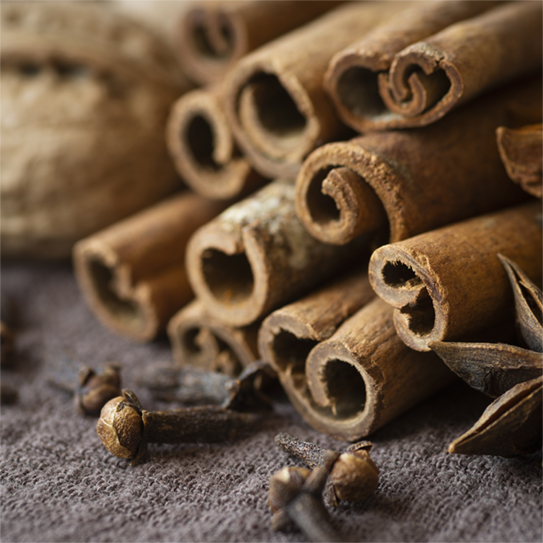
Cinnamon oil is derived from a tree with two botanical names — Cinnamomum zeylanicum and Cinnamomum verum — which both refer to the same tree. This type of cinnamon is considered “true” cinnamon. The English name for this spice comes from “amomon” or “qinnamon”, meaning “fragrant spice plant” in Arabic and Hebrew. Cinnamon can be harvested and processed as both a spice and an essential oil, cultivated and exported worldwide. In early Modern English, cinnamon was also known as “canel” and “canella”, derived from the Latin word for “tube” because the inner bark naturally curls into a tube as it dries. Cinnamon essential oil can be extracted from either the bark or the leaves, resulting in two types: cinnamon bark oil and cinnamon leaf oil.

Cinnamon is regarded as one of the oldest and most valuable spices in the world. It has been used for thousands of years, dating back to ancient Egypt, and has become a staple in traditional Chinese and Ayurvedic medicine. Today, cinnamon is still used in various forms, including as a spice, herb, powder, and tea, to treat a range of emotional and physical ailments such as depression, respiratory and digestive issues, colds, flu, weight gain, diarrhea, yeast infections, heavy menstruation, menstrual cramps, arthritis, and skin infections.

In ancient Egypt, cinnamon was imported as early as 2000 BCE. It was seen as a mark of wealth, with historical records indicating that its value could rival or exceed that of gold. In Egyptian society, cinnamon was prized for embalming, used as an ingredient in love potions during magical practices, and was considered valuable enough to be offered as gifts to monarchs and deities. It was often included in Kyphi, an incense blend used for religious and medicinal purposes.

During medieval times, Europeans also viewed cinnamon as a status symbol, as only the wealthy could afford this imported spice from the East, believed to aid digestion and other ailments. Additionally, cinnamon was essential for masking or eliminating the smell of preserved meat, especially when it began to spoil. According to Pliny the Elder, the price of a pound of Roman cinnamon could equate to fifty months’ wages. Due to its high cost, Romans rarely burned cinnamon on funeral pyres, but when they did, it was to mask the smell of burning flesh. It’s said that at the funeral of Emperor Nero’s wife in 65 AD, he burned a year’s worth of the city’s cinnamon supply. The main chemical components of both cinnamon bark oil and cinnamon leaf oil, though in varying amounts, include cinnamaldehyde, cinnamyl acetate, eugenol, and eugenol acetate.

The Benefits of Cinnamon Oil

Cinnamon essential oil is used in aromatherapy to help relieve depression, dizziness, and fatigue. It’s believed to relax the body, stimulate libido, and act as a natural aphrodisiac. Its anti-rheumatic properties help ease joint and muscle pain and support immunity, alleviating cold and flu symptoms. It promotes circulation, which can relieve headache pain and support digestive health. When diffused indoors, its scent refreshes and deodorizes, filling the air with its distinctively warm, uplifting, and soothing aroma that offers therapeutic and calming effects. Additionally, cinnamon is thought to have a calming and tonic effect, which can improve cognitive function. It may help ease nervous tension, enhance memory retention, lengthen attention span, improve memory, and reduce the risk of memory loss. For cosmetic or external use, cinnamon essential oil is said to soothe dry skin and relieve pain and stiffness in the muscles, joints, and digestive system. Its antibacterial properties make it a good choice for treating acne, rashes, and infections. Its antioxidant qualities also help delay signs of aging.

In medicinal applications, cinnamon essential oil is celebrated for effectively reducing inflammation, eliminating viruses, and boosting immunity. It promotes blood circulation, relieving pain and improving metabolism. When applied to wounds, it has coagulant properties that help stop bleeding, thus speeding up the healing process. Known for its respiratory benefits, cinnamon oil can alleviate cold and flu symptoms such as sore throat, congestion, and headaches. Its carminative properties make it ideal for relieving digestive discomfort like gas.

Cultivating and Harvesting High-Quality Cinnamon Oil

True cinnamon (Cinnamomum zeylanicum), also known as “Ceylon” cinnamon, is native to Sri Lanka and considered the highest quality variety. It’s also grown in Brazil, the Caribbean, Bangladesh, India, Myanmar, and Indonesia, flourishing in tropical areas with high rainfall and temperatures between 27-30°C (80-86°F). If left to grow freely, this plant can reach up to 45 feet in height. Its notable features include smooth, leathery, oval leaves, thick, rust-colored bark that curls into tubes when dried, and small, strongly aromatic white flowers. The tree is also known for producing dark purple berries.

Cinnamon can be grown in various types of soil, from fine silica sands to loam and gravelly soils. However, the highest quality cinnamon grows in sandy white soil rich in silica. To thrive, cinnamon trees need highly acidic soil with a pH between 4.5 and 5.5, as well as good drainage; excess moisture can cause root rot. However, they also cannot withstand extended drought.

How Is Cinnamon Oil Extracted?

Cinnamon leaf oil and cinnamon bark oil are both obtained through steam distillation. To extract oil from the bark, cinnamon sticks are crushed or broken into small pieces and placed in a distillation flask connected to a steam generator and condenser, where the oil condenses and is collected through a separator.

Uses of Cinnamon Oil

Cinnamon essential oil has many uses, from medicinal to culinary and cosmetic. It is available in many forms, including massage oils and gels, creams, lotions, soaps, shampoos, hair oils, room sprays, perfumes, and candles.

In aromatherapy, its scent is used to address sleepiness, irritability, unhealthy appetite, and the tendency to overeat, as it is thought to promote a sense of fullness. It’s also known for easing symptoms of colds, severe coughs, and sneezing. For an immune-boosting and stress-relieving blend, mix 1 drop each of cinnamon essential oil (bark or leaf), rosemary essential oil, eucalyptus essential oil, clove essential oil, and orange essential oil. Alternatively, cinnamon oil can be mixed with tea tree or lemon essential oil for a blend that enhances mood and energy.

For cosmetics, cinnamon oil soothes dry skin. To make a moisturizing cinnamon formula with healing and revitalizing effects, mix 1 drop of cinnamon oil into your regular face cream and massage a small amount into the skin before bed. Continue massaging until fully absorbed, removing any excess with a cotton pad. This treatment can be used nightly to reduce signs of aging.

Cinnamon shampoo is known to stimulate hair growth, reduce dandruff, and address thinning and hair loss. To make a nourishing scalp treatment, mix 5-6 drops of cinnamon essential oil with 5 tablespoons of olive carrier oil, then massage into the scalp. Let it sit for 45 minutes, then rinse with natural shampoo. Repeat this treatment up to 3 times a week for healthier, stronger hair growth. Alternatively, add a drop of cinnamon oil to regular shampoo to keep hair healthy, add shine to dull strands, and as a preventive measure against lice.

Precautions for Cinnamon Oil

According to NAHA guidelines, New Directions Aromatics (NDA) does not recommend ingesting essential oils. Always consult a doctor before using cinnamon essential oil for therapeutic purposes. Pregnant and nursing women are advised not to use cinnamon essential oil without medical guidance, as it has emmenagogue properties that may lead to embryo toxicity. People on prescription medication or scheduled for major surgery should seek medical advice before use. Essential oils should always be stored out of reach of children, especially those under 7.

Potential side effects of cinnamon essential oil include dizziness, itching, skin irritation or sensitization, mucous membrane irritation, fatigue, rashes, burning sensations, nausea, headaches, diarrhea, contact dermatitis, digestive issues, impaired clotting, and stomach pain. If an allergic reaction occurs, discontinue use immediately and seek medical attention from a physician, pharmacist, or allergist for a health assessment and appropriate treatment. To avoid adverse effects, consult a medical professional before use. Special caution is advised for individuals with diabetes, cancer, heart disease or other heart-related conditions, peptic ulcers, liver damage, bleeding disorders (such as hemophilia), or skin conditions. Cinnamon oil may interact with certain medications, such as diabetes drugs or anticoagulants, and may lead to difficulty breathing.

Those seeking medical care to manage mood, behavior, or illness should consider this essential oil as a complementary therapy rather than a substitute for any medication or prescription treatment. It is recommended to avoid direct sunlight for 12 hours after using this essential oil.

Image Credit:
©Freepik
The History of Cinnamon Oil

Cinnamon oil is derived from a tree with two botanical names — Cinnamomum zeylanicum and Cinnamomum verum — which both refer to the same tree. This type of cinnamon is considered “true” cinnamon. The English name for this spice comes from “amomon” or “qinnamon”, meaning “fragrant spice plant” in Arabic and Hebrew. Cinnamon can be harvested and processed as both a spice and an essential oil, cultivated and exported worldwide. In early Modern English, cinnamon was also known as “canel” and “canella”, derived from the Latin word for “tube” because the inner bark naturally curls into a tube as it dries. Cinnamon essential oil can be extracted from either the bark or the leaves, resulting in two types: cinnamon bark oil and cinnamon leaf oil.

Cinnamon is regarded as one of the oldest and most valuable spices in the world. It has been used for thousands of years, dating back to ancient Egypt, and has become a staple in traditional Chinese and Ayurvedic medicine. Today, cinnamon is still used in various forms, including as a spice, herb, powder, and tea, to treat a range of emotional and physical ailments such as depression, respiratory and digestive issues, colds, flu, weight gain, diarrhea, yeast infections, heavy menstruation, menstrual cramps, arthritis, and skin infections.

In ancient Egypt, cinnamon was imported as early as 2000 BCE. It was seen as a mark of wealth, with historical records indicating that its value could rival or exceed that of gold. In Egyptian society, cinnamon was prized for embalming, used as an ingredient in love potions during magical practices, and was considered valuable enough to be offered as gifts to monarchs and deities. It was often included in Kyphi, an incense blend used for religious and medicinal purposes.

During medieval times, Europeans also viewed cinnamon as a status symbol, as only the wealthy could afford this imported spice from the East, believed to aid digestion and other ailments. Additionally, cinnamon was essential for masking or eliminating the smell of preserved meat, especially when it began to spoil. According to Pliny the Elder, the price of a pound of Roman cinnamon could equate to fifty months’ wages. Due to its high cost, Romans rarely burned cinnamon on funeral pyres, but when they did, it was to mask the smell of burning flesh. It’s said that at the funeral of Emperor Nero’s wife in 65 AD, he burned a year’s worth of the city’s cinnamon supply. The main chemical components of both cinnamon bark oil and cinnamon leaf oil, though in varying amounts, include cinnamaldehyde, cinnamyl acetate, eugenol, and eugenol acetate.

The Benefits of Cinnamon Oil

Cinnamon essential oil is used in aromatherapy to help relieve depression, dizziness, and fatigue. It’s believed to relax the body, stimulate libido, and act as a natural aphrodisiac. Its anti-rheumatic properties help ease joint and muscle pain and support immunity, alleviating cold and flu symptoms. It promotes circulation, which can relieve headache pain and support digestive health. When diffused indoors, its scent refreshes and deodorizes, filling the air with its distinctively warm, uplifting, and soothing aroma that offers therapeutic and calming effects. Additionally, cinnamon is thought to have a calming and tonic effect, which can improve cognitive function. It may help ease nervous tension, enhance memory retention, lengthen attention span, improve memory, and reduce the risk of memory loss. For cosmetic or external use, cinnamon essential oil is said to soothe dry skin and relieve pain and stiffness in the muscles, joints, and digestive system. Its antibacterial properties make it a good choice for treating acne, rashes, and infections. Its antioxidant qualities also help delay signs of aging.

In medicinal applications, cinnamon essential oil is celebrated for effectively reducing inflammation, eliminating viruses, and boosting immunity. It promotes blood circulation, relieving pain and improving metabolism. When applied to wounds, it has coagulant properties that help stop bleeding, thus speeding up the healing process. Known for its respiratory benefits, cinnamon oil can alleviate cold and flu symptoms such as sore throat, congestion, and headaches. Its carminative properties make it ideal for relieving digestive discomfort like gas.

Cultivating and Harvesting High-Quality Cinnamon Oil

True cinnamon (Cinnamomum zeylanicum), also known as “Ceylon” cinnamon, is native to Sri Lanka and considered the highest quality variety. It’s also grown in Brazil, the Caribbean, Bangladesh, India, Myanmar, and Indonesia, flourishing in tropical areas with high rainfall and temperatures between 27-30°C (80-86°F). If left to grow freely, this plant can reach up to 45 feet in height. Its notable features include smooth, leathery, oval leaves, thick, rust-colored bark that curls into tubes when dried, and small, strongly aromatic white flowers. The tree is also known for producing dark purple berries.

Cinnamon can be grown in various types of soil, from fine silica sands to loam and gravelly soils. However, the highest quality cinnamon grows in sandy white soil rich in silica. To thrive, cinnamon trees need highly acidic soil with a pH between 4.5 and 5.5, as well as good drainage; excess moisture can cause root rot. However, they also cannot withstand extended drought.

How Is Cinnamon Oil Extracted?

Cinnamon leaf oil and cinnamon bark oil are both obtained through steam distillation. To extract oil from the bark, cinnamon sticks are crushed or broken into small pieces and placed in a distillation flask connected to a steam generator and condenser, where the oil condenses and is collected through a separator.

Uses of Cinnamon Oil

Cinnamon essential oil has many uses, from medicinal to culinary and cosmetic. It is available in many forms, including massage oils and gels, creams, lotions, soaps, shampoos, hair oils, room sprays, perfumes, and candles.

In aromatherapy, its scent is used to address sleepiness, irritability, unhealthy appetite, and the tendency to overeat, as it is thought to promote a sense of fullness. It’s also known for easing symptoms of colds, severe coughs, and sneezing. For an immune-boosting and stress-relieving blend, mix 1 drop each of cinnamon essential oil (bark or leaf), rosemary essential oil, eucalyptus essential oil, clove essential oil, and orange essential oil. Alternatively, cinnamon oil can be mixed with tea tree or lemon essential oil for a blend that enhances mood and energy.

For cosmetics, cinnamon oil soothes dry skin. To make a moisturizing cinnamon formula with healing and revitalizing effects, mix 1 drop of cinnamon oil into your regular face cream and massage a small amount into the skin before bed. Continue massaging until fully absorbed, removing any excess with a cotton pad. This treatment can be used nightly to reduce signs of aging.

Cinnamon shampoo is known to stimulate hair growth, reduce dandruff, and address thinning and hair loss. To make a nourishing scalp treatment, mix 5-6 drops of cinnamon essential oil with 5 tablespoons of olive carrier oil, then massage into the scalp. Let it sit for 45 minutes, then rinse with natural shampoo. Repeat this treatment up to 3 times a week for healthier, stronger hair growth. Alternatively, add a drop of cinnamon oil to regular shampoo to keep hair healthy, add shine to dull strands, and as a preventive measure against lice.

Precautions for Cinnamon Oil

According to NAHA guidelines, New Directions Aromatics (NDA) does not recommend ingesting essential oils. Always consult a doctor before using cinnamon essential oil for therapeutic purposes. Pregnant and nursing women are advised not to use cinnamon essential oil without medical guidance, as it has emmenagogue properties that may lead to embryo toxicity. People on prescription medication or scheduled for major surgery should seek medical advice before use. Essential oils should always be stored out of reach of children, especially those under 7.

Potential side effects of cinnamon essential oil include dizziness, itching, skin irritation or sensitization, mucous membrane irritation, fatigue, rashes, burning sensations, nausea, headaches, diarrhea, contact dermatitis, digestive issues, impaired clotting, and stomach pain. If an allergic reaction occurs, discontinue use immediately and seek medical attention from a physician, pharmacist, or allergist for a health assessment and appropriate treatment. To avoid adverse effects, consult a medical professional before use. Special caution is advised for individuals with diabetes, cancer, heart disease or other heart-related conditions, peptic ulcers, liver damage, bleeding disorders (such as hemophilia), or skin conditions. Cinnamon oil may interact with certain medications, such as diabetes drugs or anticoagulants, and may lead to difficulty breathing.

Those seeking medical care to manage mood, behavior, or illness should consider this essential oil as a complementary therapy rather than a substitute for any medication or prescription treatment. It is recommended to avoid direct sunlight for 12 hours after using this essential oil.

Image Credit:
©Freepik