
The History of Carrot Seed Oil
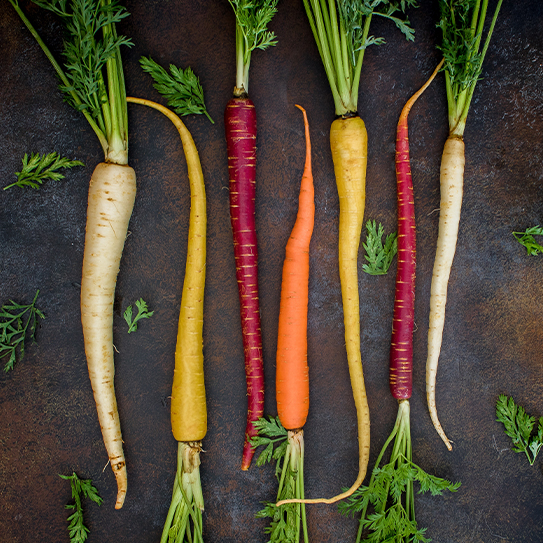
Carrot seed essential oil is extracted from the dried seeds of plants in the Daucus genus, commonly known in Europe as wild carrot or “Queen Anne’s Lace.” Often mistaken for carrot seed carrier oil or carrot carrier oil, carrot seed essential oil differs in that these carrier oils are typically obtained by infusing cold-pressed wild carrot seeds or softened wild carrots or carrot roots into plant oils, respectively. As such, both carrier oils are infusions, though one uses seeds and the other roots. However, the essential oil is typically steam-distilled from the seeds. The use of carrot seed oil dates back to ancient Greece, Rome, Egypt, France, and India, where it was applied to alleviate inflammation and digestive issues. In some regions, people combined carrot seed oil with bergamot and lemon essential oils to treat similar ailments. Carrot seed oil has applications in traditional Chinese medicine as well, where it’s used as a bath oil or massage oil to relieve muscle pain or to treat intestinal issues such as dysentery and parasites. Additionally, it has been traditionally used in perfumery, adding woody notes to “Oriental” and “aldehyde” scents. When used in cosmetics, it serves as a traditional and popular moisturizer for versatile skin care.
Benefits of Carrot Seed Oil
The primary chemical components of carrot seed essential oil include carotene, daucol, β-bisabolene, and β-carotene. Carrot seed oil is used in aromatherapy for its stimulating properties that promote blood circulation and support brain and nerve function, enhancing energy levels and alertness. By stimulating the release of digestive juices, enzymes, and hormones, as well as the contraction of intestinal muscles, it maintains effective digestion and metabolism. With a warm, earthy, woody, and slightly sweet aroma, carrot seed oil offers soothing, refreshing, and grounding effects, helping to alleviate fatigue, weakness, anxiety, and stress. It is also known for strengthening mucous membranes, enhancing the function and efficacy of the digestive and respiratory systems. When blended with essential oils like avocado carrier oil, bergamot, cardamom, cedarwood, geranium, juniper, lavender, lemon, lime, orange, or sandalwood, carrot seed oil forms an aromatic and appealing mixture.
Carrot seed oil acts as a tonic, strengthening muscles, tissues, the stomach, and the skin, enhancing their vitality and functionality. It maintains digestive flow and prevents skin sagging. Carrot seed essential oil helps eliminate body toxins, such as urea and uric acid, along with environmental toxins from diet, including pesticides and chemical residues. This supports immune health, reduces muscle and joint inflammation, alleviates fluid retention, and soothes discomforts associated with arthritis, edema, gout, and rheumatism. Carrot seed oil acts as an adjunctive and protective agent, enhancing skin health and repairing skin damage caused by pollution and environmental stressors, thus slowing the aging process. Additionally, it stimulates the growth of new tissue and skin, promoting a clearer, brighter, and more even complexion. By hydrating the skin, it alleviates irritation from conditions like acne, boils, dermatitis, eczema, psoriasis, and ulcers, leaving skin feeling smooth, firm, nourished, revitalized, and healthy overall. Regular application of carrot seed essential oil on dry and cracked skin can soften calluses, speed scar healing, relieve irritation, and reduce unwanted marks such as redness and age spots. When applied to hair, carrot seed oil deeply conditions the scalp and hair, repairs split ends, and soothes dehydration and irritations caused by harmful bacteria, fungi, and dandruff. Not only does it condition the skin, but it also nourishes the hair. When applied to dull or damaged hair, it helps restore shine and vitality.
As a medicinal aid, carrot seed essential oil helps lower blood pressure and promotes the healing of infected skin and wounds. When inhaled, it is said to relieve sore throats and hiccups while supporting the health and activity of bodily systems, particularly the respiratory system. Due to its antiviral properties, carrot seed oil can help treat viral infections like colds, coughs, flu, mumps, and measles. As a digestive tonic, carrot seed oil stimulates appetite and promotes gas expulsion, helping to relieve bloating, cramps, and flatulence. Carrot seed oil has diuretic properties, aiding in the body’s elimination of waste and toxins through urination. This, in turn, helps prevent the causes and symptoms of various conditions associated with toxin buildup, such as fats, bile, uric acid, and harmful bacteria known to contaminate the excretory system. Similarly, it cleanses the kidneys, relieves the discomfort of kidney stones, and eases menstrual issues to promote regularity and reduce pain. Postpartum use of carrot seed essential oil is known to support milk production in breastfeeding women. When applied to cuts, scrapes, and minor wounds, its antibacterial properties prevent infections at the wound site, helping the body avoid further negative reactions.
Uses of Carrot Seed Oil
Carrot seed oil can be used in aromatherapy, creating stress-relieving blends. To relieve anxiety, enhance focus and concentration, and promote metabolism, add 3–6 drops to an electric diffuser. Alternatively, you can dilute 3–6 drops in ½ cup of distilled water for use in a reed or electric diffuser. For a homemade diffuser, bring 2–3 cups of water to a boil and add 5–10 drops of carrot seed essential oil. Diffusing carrot seed oil also naturally promotes sleep, helping those who struggle with insomnia. To enjoy a more potent aroma, gently place one drop of carrot seed essential oil and one drop of lavender essential oil on the corner of your pillow before sleeping.
To enhance the therapeutic benefits of a bath with its sweet, rich, and comforting scent, mix 5–10 drops of carrot seed essential oil with 1 cup of Dead Sea salt and pour into a bathtub of warm water. Ensure that the salt is completely dissolved before entering the tub. For a more complex scent and additional calming effects, blend 5 drops of carrot seed essential oil with 2 drops of rose essential oil and 2 drops of cedarwood essential oil. For cosmetic use, carrot seed oil can be applied directly to the skin in diluted form to repair and prevent further skin damage. Simply mix 3–5 drops of carrot seed essential oil with 1 teaspoon of a preferred carrier oil, such as safflower or coconut oil. Massage this natural moisturizing blend into the skin once or twice daily in circular motions. To enhance the effects of a preferred moisturizer without creating a new formula from scratch, add 1–2 drops of carrot seed oil to your cream or facial serum. Skin will benefit from its gentle regenerative and revitalizing properties.
Contraindications of Carrot Seed Oil
According to NAHA guidelines, New Directions Aromatics (NDA) does not recommend the ingestion of essential oils. Before using carrot seed oil for therapeutic purposes, be sure to consult a physician. Pregnant and breastfeeding women, as well as those on prescription medication, are particularly advised not to use this product without medical advice. The oil should always be stored out of reach of children, especially those under 7. A skin test is recommended before using carrot seed oil. This can be done by diluting the essential oil in a carrier oil and applying a small amount to a non-sensitive area of the skin. Carrot seed oil should never be used on the eyes, inside the nose and ears, or any other especially sensitive skin areas. Potential side effects of carrot seed essential oil include vomiting and convulsions. Users are advised to stay indoors for at least 48 hours after topical application, as sun exposure may cause skin sensitivity, also known as photosensitivity.
Image Credit:
©Freepik